Counting People & Ignoring History: Rethinking Population Threat Narratives
There is a recurrent theme in some discourses: that Indians (or immigrants more broadly) are growing in numbers too fast, “stealing jobs,” or otherwise posing a demographic threat. But when we look at history and recent demographic data — including the stories of Native Americans, Aboriginal Australians, and India itself — this narrative becomes much less credible and far more troubling in what it omits.
Historical Displacement & Suppression of Indigenous Populations
Before anything, it helps to remember that many “settler” societies grew not simply through natural increase, but through displacement, disease, wars, policies, and systemic injustice against Indigenous populations. These are not marginal footnotes, but central to how modern population distributions came to be.
- Native Americans in North America
Before European contact, it is estimated there were millions of Indigenous people across what is now the United States. After European arrival, over centuries, Indigenous populations plunged dramatically due to disease (smallpox, measles, influenza), warfare, forced removal from lands, broken treaties, and assimilation policies. These factors collectively—many instigated or enabled by colonial governments—reduced Native populations from their pre-colonial size by large percentages.
These population losses weren’t naturally occurring demographic shifts; they were violent, structural, and dramatic. Yet, much of the popular narrative about population threats fails to acknowledge this history. - Aboriginal Australians
Aboriginal peoples in Australia similarly suffered dispossession of land, violence, policies such as forced assimilation, removal of children (“Stolen Generations”), suppression of culture, and marginalization, all of which constrained population growth, societal health, and community stability.
These histories show that “native populations” in many places did not simply grow steadily without interference; in fact, their opportunities for growth were severely curtailed, sometimes intentionally, by colonization.
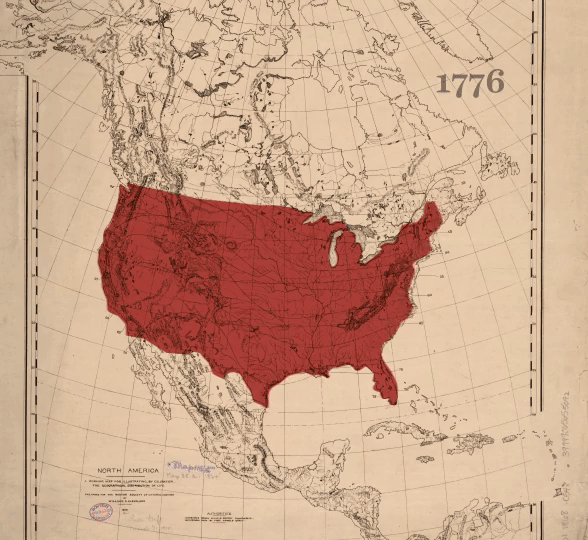
India’s Demographic Trends: Slowing, Not Exploding
Turning to India today, the data shows a different picture than what “rapid growth threat” narratives often suggest.
- Fertility Rate Below Replacement
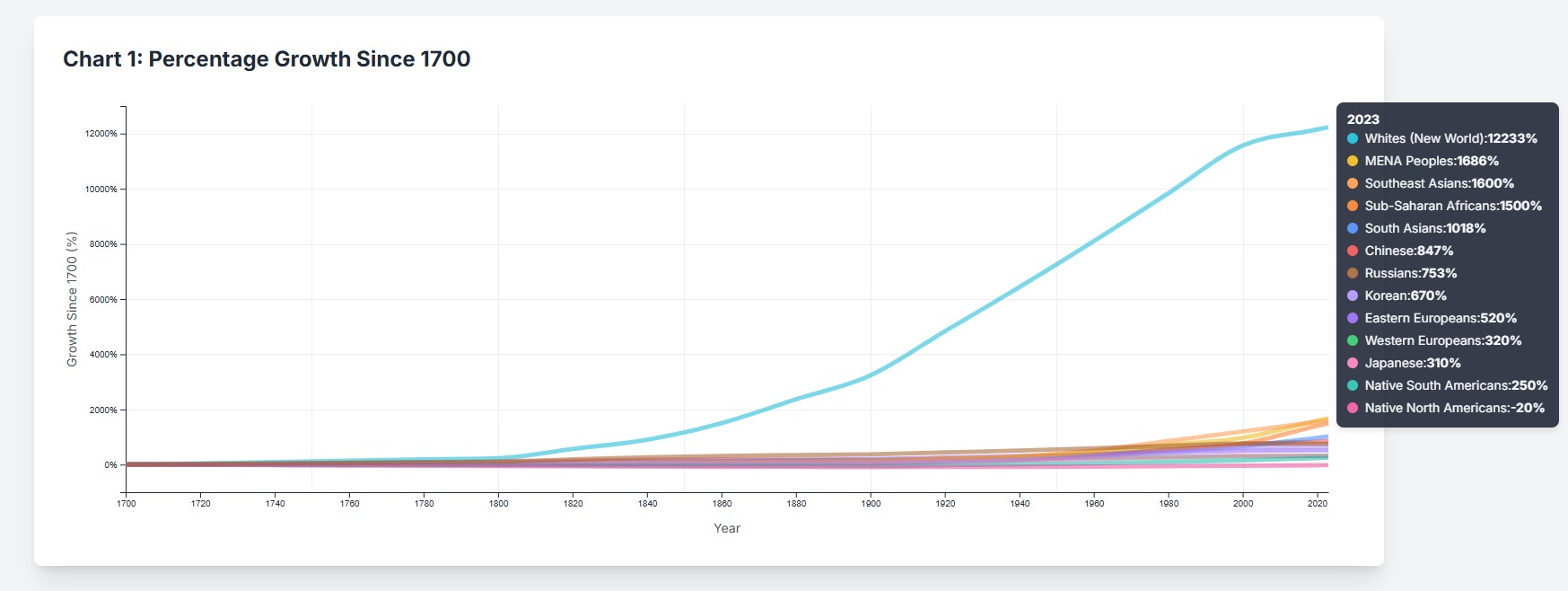
- White population has grown 133x from 3 million to 370 millions in new worlds whereas south Asian population grew only 10x from 170 million to 1.7 billion in last three centuries.
- As of recent reports (2025), India’s Total Fertility Rate (TFR) has fallen to 1.9 births per woman, which is below the replacement level of about 2.1. The Economic Times+2The New Indian Express+2
This means that, on average, every woman is having fewer children than would be needed to keep the population steady from one generation to the next (ignoring migration). - Rural India Approaches Replacement Too
For the first time in recent data, even rural parts of India are touching or dipping toward replacement‐level fertility. The Times of India+1 - Youth & Aging Population Structure
India still has a large youth cohort, which means there is population momentum (more people in child‐bearing ages), but with TFR below replacement, growth is expected to slow, eventually plateau, and then decline. India Today+2The New Indian Express+2 - Regional Variation
Some states in India still have higher fertility rates (above replacement), especially in regions with less access to education, healthcare, and family planning. But many others already have substantially below-replacement fertility. Forbes India+1
Why the “Population Threat” Frame Is Misleading
Putting these elements together reveals why treating Indian population growth as a monolithic threat is not only inaccurate, but also often plays into bias, omission, and fear.
- Selective History
Focusing only on “population growth” without acknowledging the history of displacement, genocide, forced assimilation, and systemic suppression of Indigenous peoples is misleading. Without that context, the narrative becomes one of “outsiders growing large” ignoring that many existing populations were violently reduced or marginalized. - Misreading Percentages vs Absolutes
Absolute population numbers can look large—India has ~1.46 billion people—but percentage growth is what tells the trend. With fertility now below replacement, India is in a phase of slowing growth, not exploding growth. - Ignoring Policy, Education, Healthcare Impact
Declines in fertility are strongly correlated with rising education (especially female education), improvements in healthcare, urbanization, access to contraception, changing economic incentives. These are not cultural “failings” but outcomes of social development. The Times of India+1 - Economic & Social Complexity
Job availability, wages, automation, trade, migration policy, investment, infrastructure—these are much more determinative of job displacement, job creation, and labor market outcomes than raw population numbers. Blame-shifting to “population” often hides responsibility for those structural levers. - Demographic Transition Is Global
Many countries around the world have gone through or are going through what India is experiencing: high birth rates → rapid growth → falling fertility → population stabilization (or even decline). Europe, East Asia, North America all did. India is not an outlier so much as following a common pattern.
What This Means for Responding to Anti-Indian / Xenophobic Narratives
Here are more grounded, neutral ways to respond, and what kinds of policy or discourse shifts can help reduce xenophobia.
- Use the Latest Data When Arguing
Point out India’s fertility rate is now ~1.9, which is below replacement. Explain what “replacement level” means. Show regional variation. This helps turn vague fears into concrete discussion about trends. - Remember & Reference History
When someone claims “natives are being displaced by immigrants,” it helps to remember that displacement of Indigenous peoples was central to many settler societies’ development. This is not “just history”—it shapes current demographics, land ownership, power, economic opportunity. - Focus Discourse on Opportunity & Policy, Not Threat
Rather than seeing population as a threat, frame conversation around how societies can ensure education, inclusion, fair labor practices, healthcare, social safety nets. - Challenge Stereotypes & Fear Mongering
When narratives paint immigrants as invaders or population bombs, challenge: What is the evidence? What are the real growth rates? What is the comparative demographic picture (with other countries, with Indigenous histories)? - Promote Coexistence & Shared History
Inclusivity in storytelling, education about Indigenous histories, acknowledging colonialism, recognizing migration as a natural part of human history can help reduce the “us vs them” framing.
Conclusion
The idea that Indian population growth is a looming threat is undermined both by historical reality and current demographic trends. The histories of Native Americans and Aboriginal Australians show that demographic dominance often came from displacement, violence, and suppression—not simply from higher birth rates. Meanwhile, India today has fertility below replacement in many regions, with growth slowing, rural fertility reaching replacement, and demographic momentum about to taper.
What matters for societies isn’t how many there are, but how people are valued, how rights are protected, and how opportunities are shared. When discussion shifts from fear of numbers to justice, inclusion, and historical awareness, we can move away from hate-filled narratives and toward more humane, honest conversations.

 BABU PRIYAVRAT
Leave a comment